Scientific software
Proficient with commercial and open-source computational chemistry and biomolecular simulation ecosystems.
SchrodingerMOEDiscovery StudioMGLToolsAmberGROMACSNAMDGaussianCresset
I develop and apply molecular dynamics, enhanced sampling, quantum mechanics and multiscale simulations to understand molecular recognition, transport and inhibition in biological and supramolecular systems - with a current focus on RND-family multidrug efflux pumps such as AcrB, MdtF and MexB/D/F/Y.
My work connects medicinal chemistry, computational physics, structural biology and chemical modeling.
My expertise is in the molecular modeling of systems ranging from small molecules and macromolecules to polymers, membranes and supramolecular assemblies. I have led computational medicinal-chemistry components of drug-discovery projects using docking, pharmacophore modeling, 3D-QSAR, quantum chemistry, molecular dynamics and binding free-energy workflows.
I enjoy building and testing new computational protocols, integrating software tools, automating analysis and applying emerging methods to difficult chemical and biological questions. My current research at the University of Cagliari focuses on the molecular basis of substrate recognition, transport and inhibition in RND efflux pumps, especially AcrB and the MexB/MexD/MexF/MexY transporters of Pseudomonas aeruginosa, using atomistic and coarse-grained simulations.
Beyond antimicrobial resistance, I work on flexible-protein recognition through the gEDES protocol, protein allostery, host-guest supramolecular chemistry, electronic structure modeling of nanomaterials and computational strategies for targeted drug discovery.
A compact view of the techniques I routinely use and develop in molecular modeling projects.
Proficient with commercial and open-source computational chemistry and biomolecular simulation ecosystems.
Classical MD, membrane-protein simulations, enhanced sampling and trajectory analysis for complex biomolecular systems.
Docking and virtual-screening workflows for protein-ligand and protein-peptide recognition problems.
Computational lead optimization using feature mapping, descriptors, ADME/Tox prediction and statistical models.
DFT and quantum-mechanical modeling of host-guest systems, spectroscopic signatures, catalysis and self-assembly.
Small-molecule, inorganic and coarse-grained parameter development with validation against structural, energetic and thermochemical properties.
Practical experience on high-performance computing systems, GPU workstations, long-timescale simulations and large-scale analysis.
Custom scripts and workflow automation for docking, simulation setup, feature extraction, data processing and figure generation.
Homology modeling, conformer generation, binding-site characterization and preparation of challenging protein-ligand systems.
Research themes spanning molecular transport, flexible-protein recognition, therapeutic design and electronic structure.
Biophysical characterization of transport cycles, substrate specificity and inhibition in AcrB, MdtF and MexB/D/F/Y efflux systems using atomistic and coarse-grained simulations.
Co-development of generalized Ensemble Docking with Enhanced Sampling to generate druggable conformations of flexible, multidomain and allosteric proteins.
Computational drug-discovery projects involving BRCT-domain PPIs, M. tuberculosis targets, sirtuin inhibitors, viral proteases, QSAR and pharmacophore-guided screening.
DFT and MD studies of calixarenes, oxacalixarenes and p-sulfocalixarenes as drug carriers, sensors and recognition hosts.
Long-range signal propagation in protein systems, including allosteric regulation of pyruvate kinase from Streptococcus pneumoniae in collaboration with Osaka University.
DFT, EDA, QTAIM and NBO analysis of fullerene C60 non-covalent dyads, environmental sensors and self-assembly processes.
Scopus-based numbers from the updated CV. Values can be updated in the HTML as your profile grows.
Use the search/filter tools to browse selected papers. Full lists are available through Google Scholar, Scopus and the CV.
npj Antimicrobials and Resistance 4, 35. DOI: 10.1038/s44259-026-00207-6
Bioorganic & Medicinal Chemistry Letters. DOI: 10.1016/j.bmcl.2026.130534
Nature Communications 16, 11649. DOI: 10.1038/s41467-025-66751-3
Nature Communications 16, 10601. DOI: 10.1038/s41467-025-65565-7
Journal of Chemical Information and Modeling 65, 2052-2065. DOI: 10.1021/acs.jcim.4c01810
Advanced Healthcare Materials 14, 2404145. DOI: 10.1002/adhm.202404145
BioNanoScience 15, 157. DOI: 10.1007/s12668-024-01726-0
Chemical Physics Impact 9, 100768. DOI: 10.1016/j.chphi.2024.100768
Medicine in Drug Discovery 22, 100180. DOI: 10.1016/j.medidd.2024.100180
Microbiology 169, 001307. DOI: 10.1099/mic.0.001307
Journal of Physical Chemistry A 126, 3629-3641. DOI: 10.1021/acs.jpca.1c10828
Journal of Biomolecular Structure and Dynamics 38, 1726-1740. DOI: 10.1080/07391102.2019.1615002
International Journal of Biological Macromolecules 140, 454-468. DOI: 10.1016/j.ijbiomac.2019.08.093
Journal of Molecular Liquids 237, 473-483. DOI: 10.1016/j.molliq.2017.04.065
Journal of Biomolecular Structure and Dynamics 34, 1282-1297. DOI: 10.1080/07391102.2015.1077343
Full publication profiles: Google Scholar, Scopus, ORCID.
A career path connecting computational chemistry, structural biology, nanomaterials and computational biophysics.
Antimicrobial resistance and RND efflux mechanisms; Mex transporters; pyruvate kinase allostery; peptide hydrogels; gEDES refinement; coarse-grained force fields; INF-ACT and related computational projects.
Substrate and inhibitor transport through RND efflux pumps in Pseudomonas aeruginosa; enhanced sampling; EDES/gEDES protocol development; NIH and EFFORT-related activities.
First-principles electronic-structure modeling of fullerene C60 non-covalent dyads using DFT, EDA, QTAIM and NBO analyses.
Protein-protein interactions, BRCT domain recognition, peptide design, mutational hotspots and SAR modeling for medicinal-chemistry lead optimization.
Thesis: In-silico study of structural, energetic and biological properties of calixarene derivatives. Supervisor: Prof. Prakash C. Jha. Thesis link.
Thesis on inclusion complexation of thiazolidinediones with cyclodextrins using docking and quantum-mechanical calculations.
First class with distinction, establishing the biological foundation for later computational chemistry and biophysics work.
Selected projects where I contribute computational modeling, workflow development, simulation and analysis.
One Health basic and translational actions addressing unmet needs on emerging infectious diseases. Role: RTD-A researcher working on RND efflux mechanisms and antimicrobial resistance.
Coordinator of the CINECA HPC project "Stochastic vs. Coordinated: Redefining RND Efflux Mechanisms" with 80,000 GPU hours on Leonardo.
Efflux pump inhibitors to overcome antibiotic resistance, including atomistic and coarse-grained modeling of inhibitor binding and transport accessibility.
Optimization of efflux avoidance and inhibition for antibiotic development, with modeling of antibiotic specificities in Pseudomonas aeruginosa efflux pumps.
Webserver to generate druggable conformations of difficult proteins for accurate drug design; workflow development and gEDES simulations on DUD-E 38.
Computational pipeline for transformative screening and design of bicyclic peptides, including gEDES-style methodology and protein/peptide interaction modeling.
University teaching, hands-on schools and supervision of research trainees.
| Year | Course / activity | Level and institution | Hours / credits |
|---|---|---|---|
| 2025-26 | Laboratory of Molecular Modeling of Biological Systems | M.Sc. Physics, University of Cagliari | 48 h / 6 CFU |
| 2025-26 | Methods and Models in Computational Biophysics | B.Sc. Physics, University of Cagliari | 24 h / 3 CFU |
| 2024-25 | Molecular Modeling of Biological Systems | M.Sc. Physics, University of Cagliari | 24 h / 6 CFU |
| 2023-24 | Molecular Modeling of Biological Systems | M.Sc. Physics, University of Cagliari | 24 h / 6 CFU |
| 2023-25 | BioExcel School: Molecular modeling through enhanced sampling and docking | Practical tutorial, Pula (CA) | Three editions |
| 2017-18 | Introduction to Drug Discovery / Computational Chemistry Experiments | Central University of Gujarat, India | Undergraduate and master's teaching |
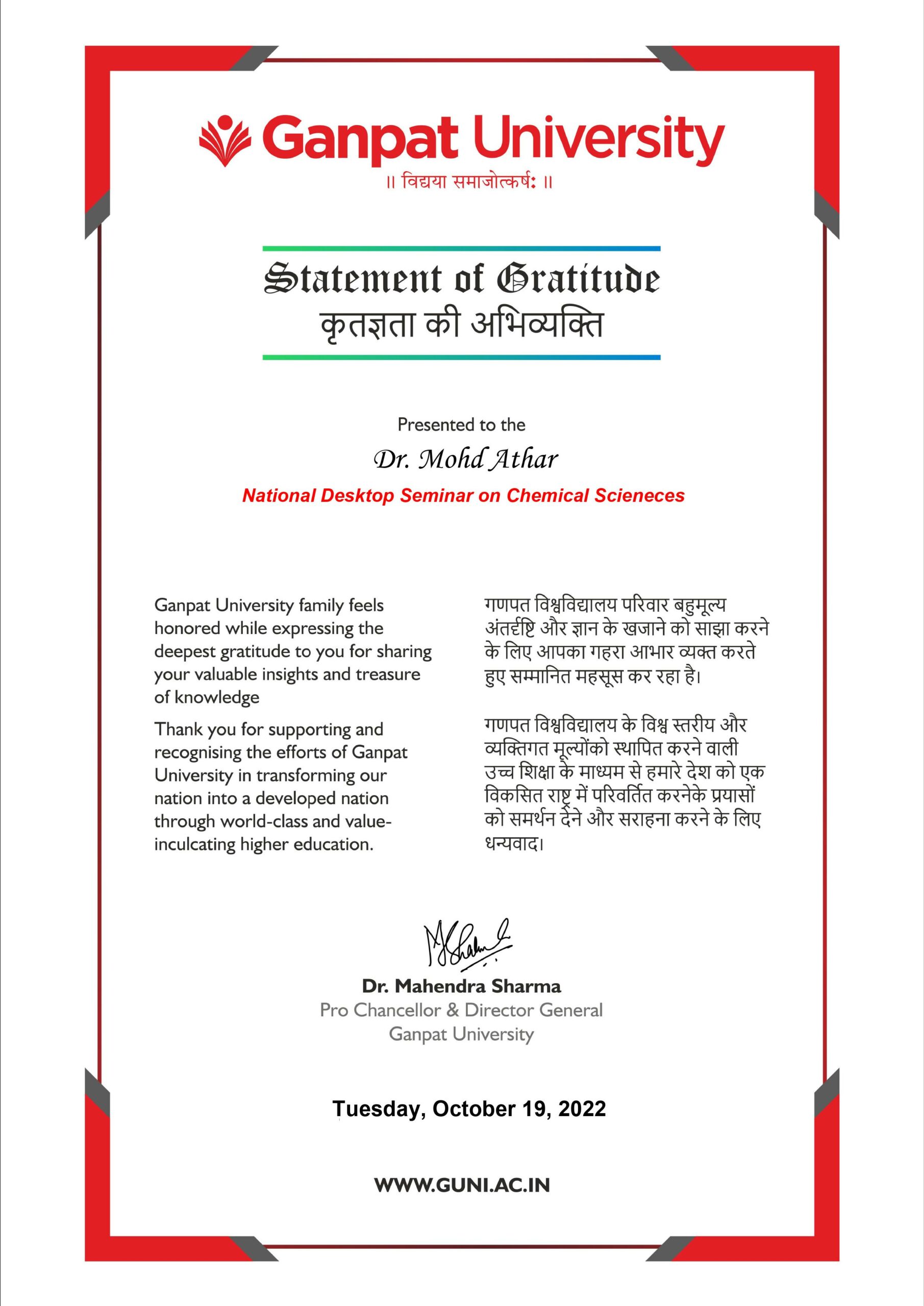
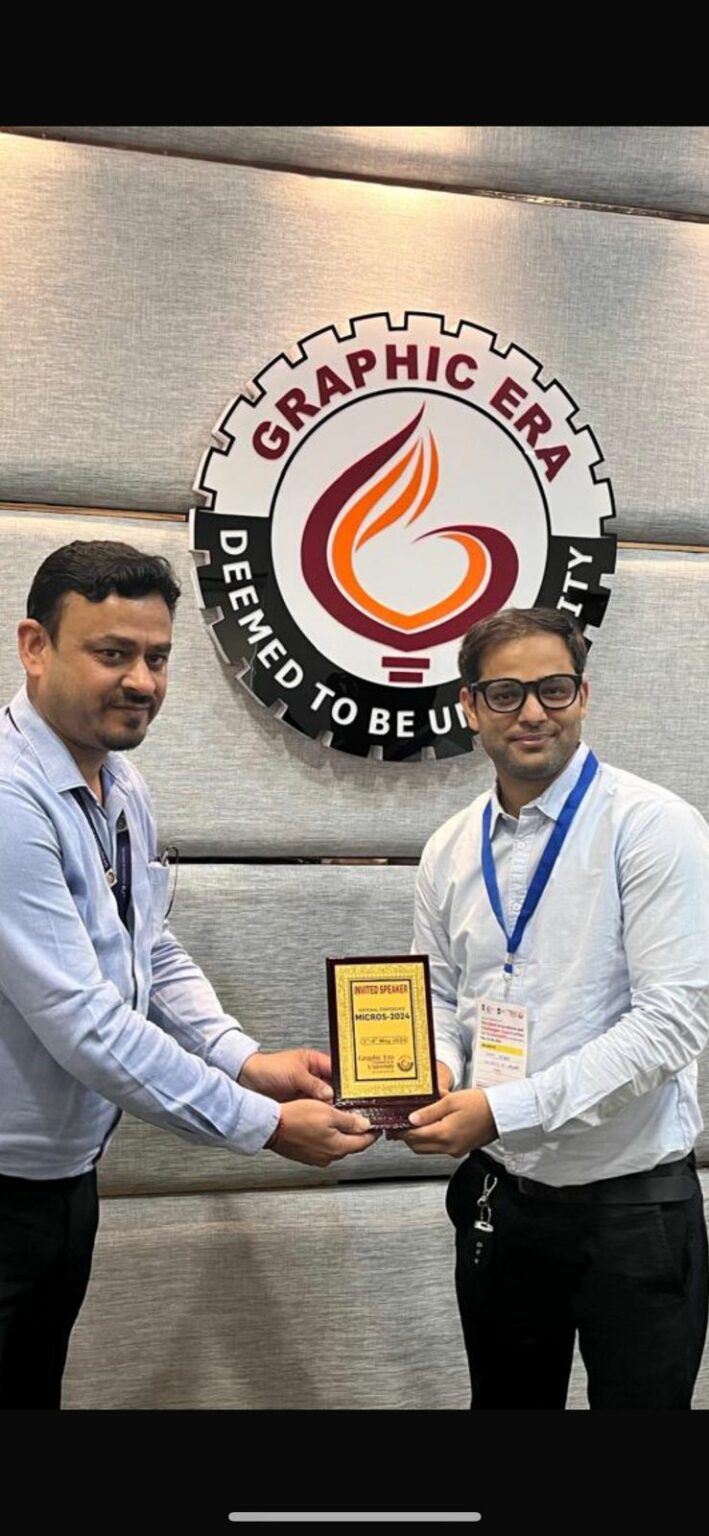
Selected service roles, external recognition, invited lectures and conference contributions.
Reviewer for Nature, Journal of Chemical Information and Modeling, Journal of Biomolecular Structure and Dynamics, Scientific Reports, ACS Infectious Diseases, Journal of Medicinal Chemistry and Frontiers in Microbiology.
Grant evaluator for the National Science Center (NCN), Poland in 2025. Editorial Board Member: Medicon Microbiology.
Certified training includes Python development, laboratory practices and ethics, structure-based drug design, LaTeX, advanced material characterization, open resources, IPR and patent topics, CADD/PK-PD modeling and hands-on biotechnology training.
Research groups, mentors and collaborators who shaped my scientific development from computational chemistry to computational biophysics, antimicrobial resistance and molecular modeling.
Current research environment at the Department of Physics, focused on RND efflux pumps, antimicrobial resistance, gEDES methodology, allostery and coarse-grained simulations.
Doctoral research under Prof. Prakash C. Jha at Central University of Gujarat. Work focused on calixarenes, host–guest chemistry, DFT, molecular docking, molecular dynamics and computational drug discovery.
Postdoctoral research with Prof. Ashok Venkitaraman and Dr. Kavitha Bharatham on BRCT domains, protein–peptide interactions, mutational hotspots and computational medicinal chemistry.
Institute Postdoctoral Fellow with Prof. Archita Patnaik working on fullerene C60 non-covalent dyads, electronic structure, QTAIM, NBO and non-covalent interactions.
Collaborations with University of Pavia and University of Trieste on antibiotic adjuvants, membrane interactions, heterochiral antimicrobial peptides and peptide self-assembly.
International collaborations with Institut Pasteur Lille, Goethe University Frankfurt, Aix-Marseille Université and University of Oklahoma on RND transporters, efflux-pump inhibitors and antibiotic resistance mechanisms.
Collaboration with Prof. Kunihiko Nishino and Dr. Atsushi Taguchi on allosteric regulation of Streptococcus pneumoniae pyruvate kinase using molecular simulations and network analysis.
Collaborations with Gujarat University, Central University of Gujarat, Pandit Deendayal Energy University and Aligarh Muslim University on drug discovery, QSAR, pharmacophores, supramolecular systems and computational chemistry.
Participation in Molecular Operating Environment and Cresset user-group meetings, with interests in workflow development, ligand design, reproducible modeling and scientific software.
Links extracted from the CV and from your existing webpage.
News coverage, outreach and public engagement activities highlighting research contributions in computational biophysics and antimicrobial resistance.
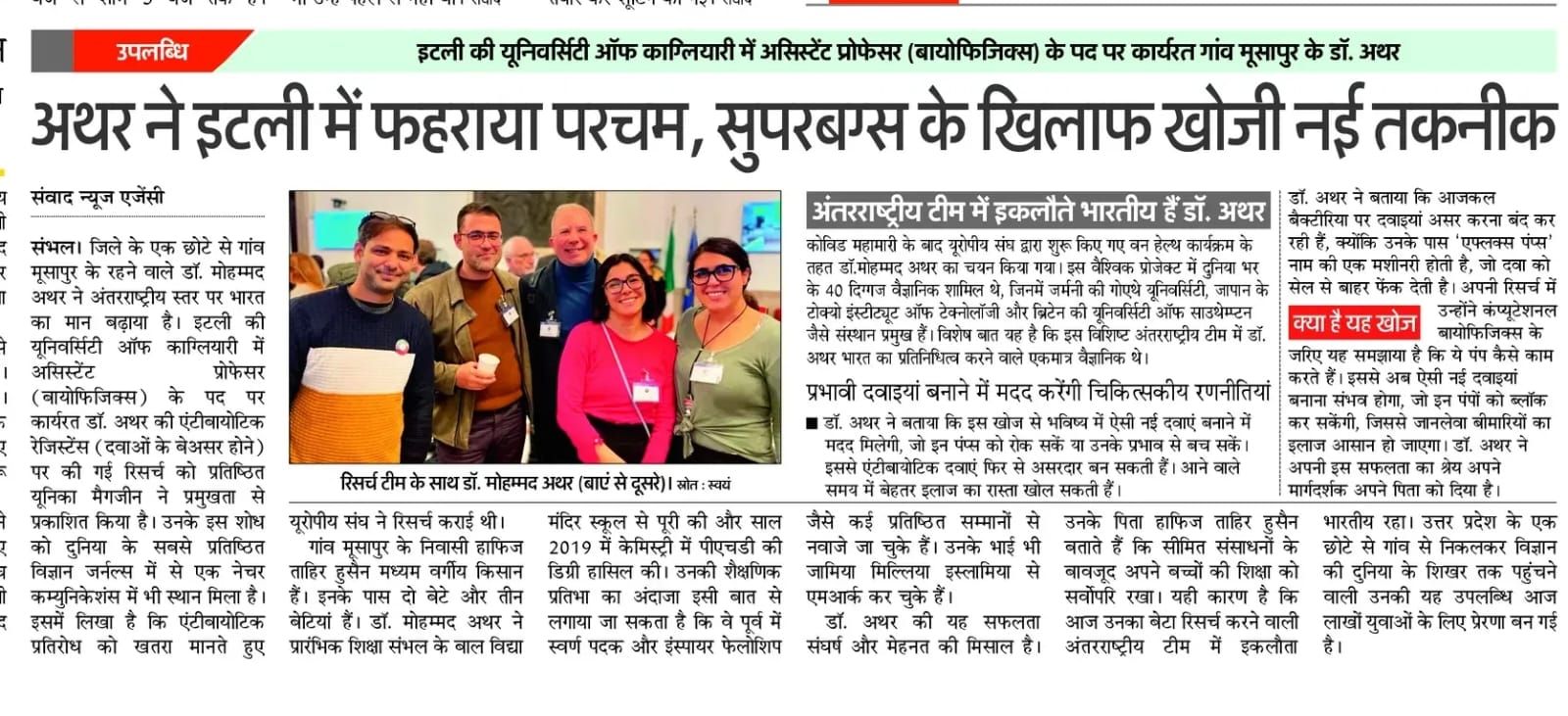
Research on multidrug efflux pumps and antimicrobial resistance featured by the University of Cagliari. The article discusses computational approaches to understanding bacterial resistance mechanisms and future antibiotic strategies.
National newspaper coverage highlighting research contributions to combating antibiotic resistance and international research activities at the University of Cagliari.
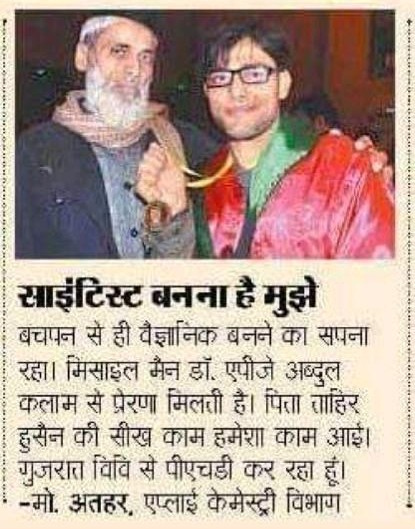
Following the award of the University Gold Medal for securing first rank in the M.Sc. Applied Chemistry programme at BBAU, Lucknow, local media highlight.
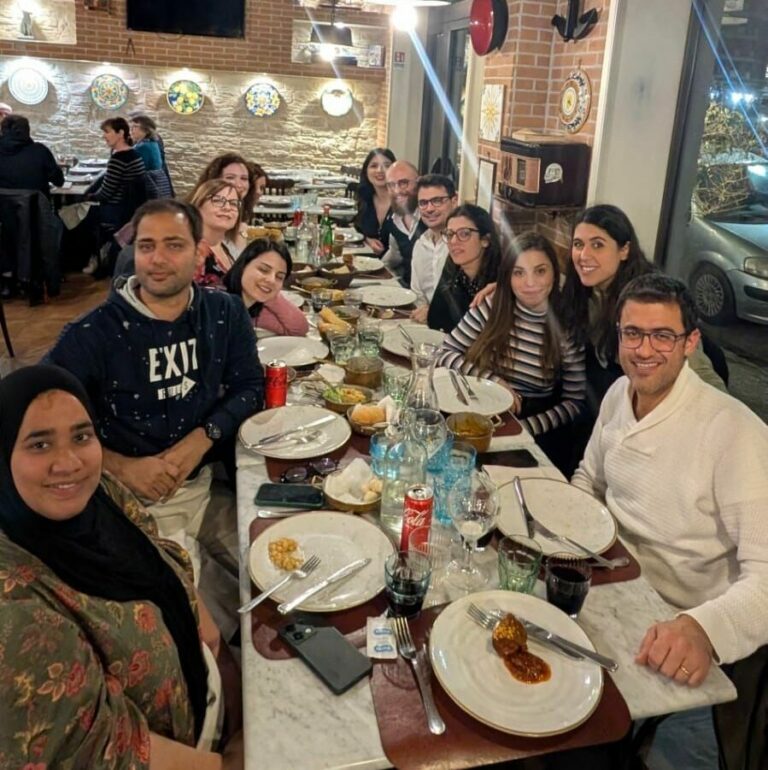
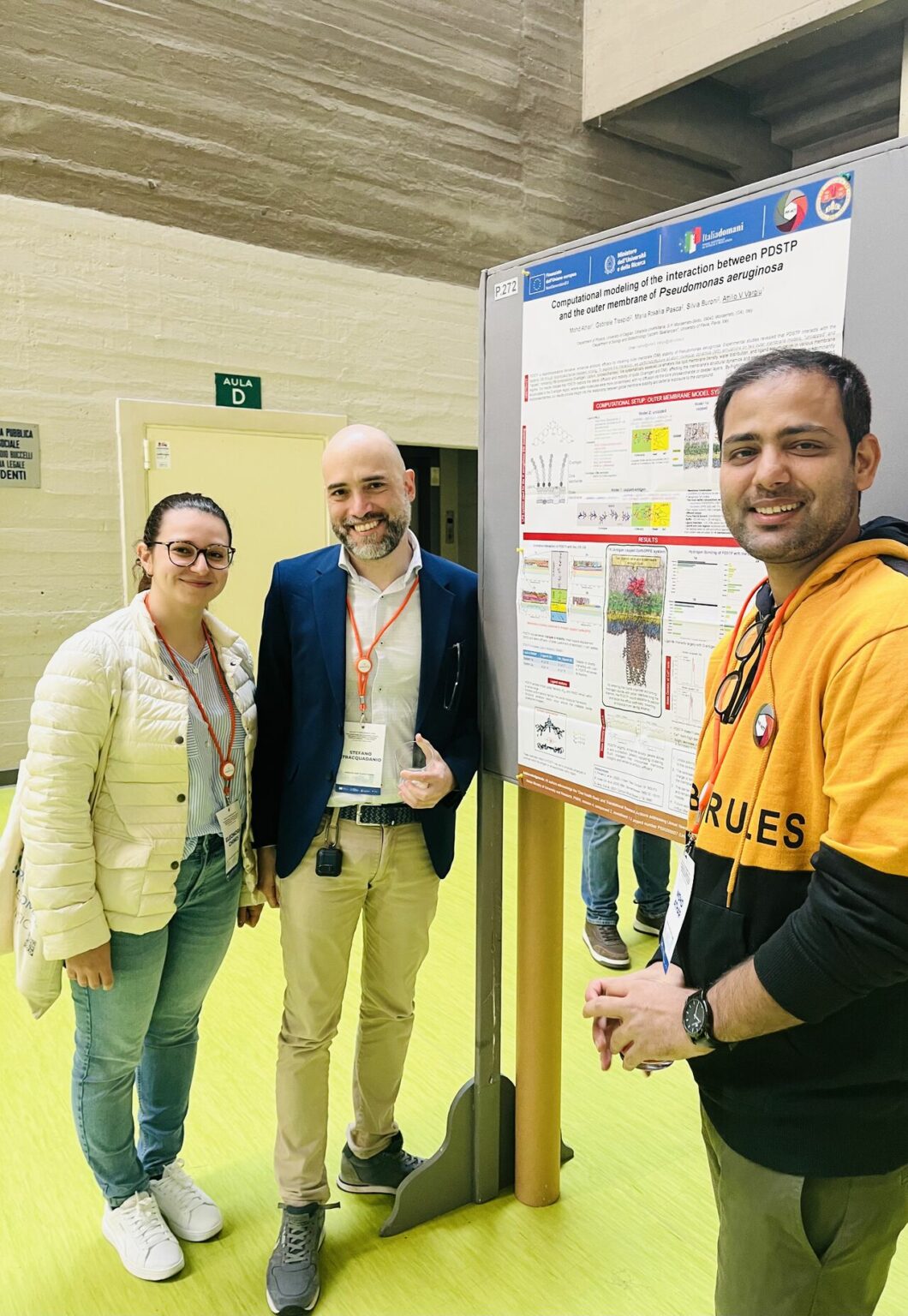
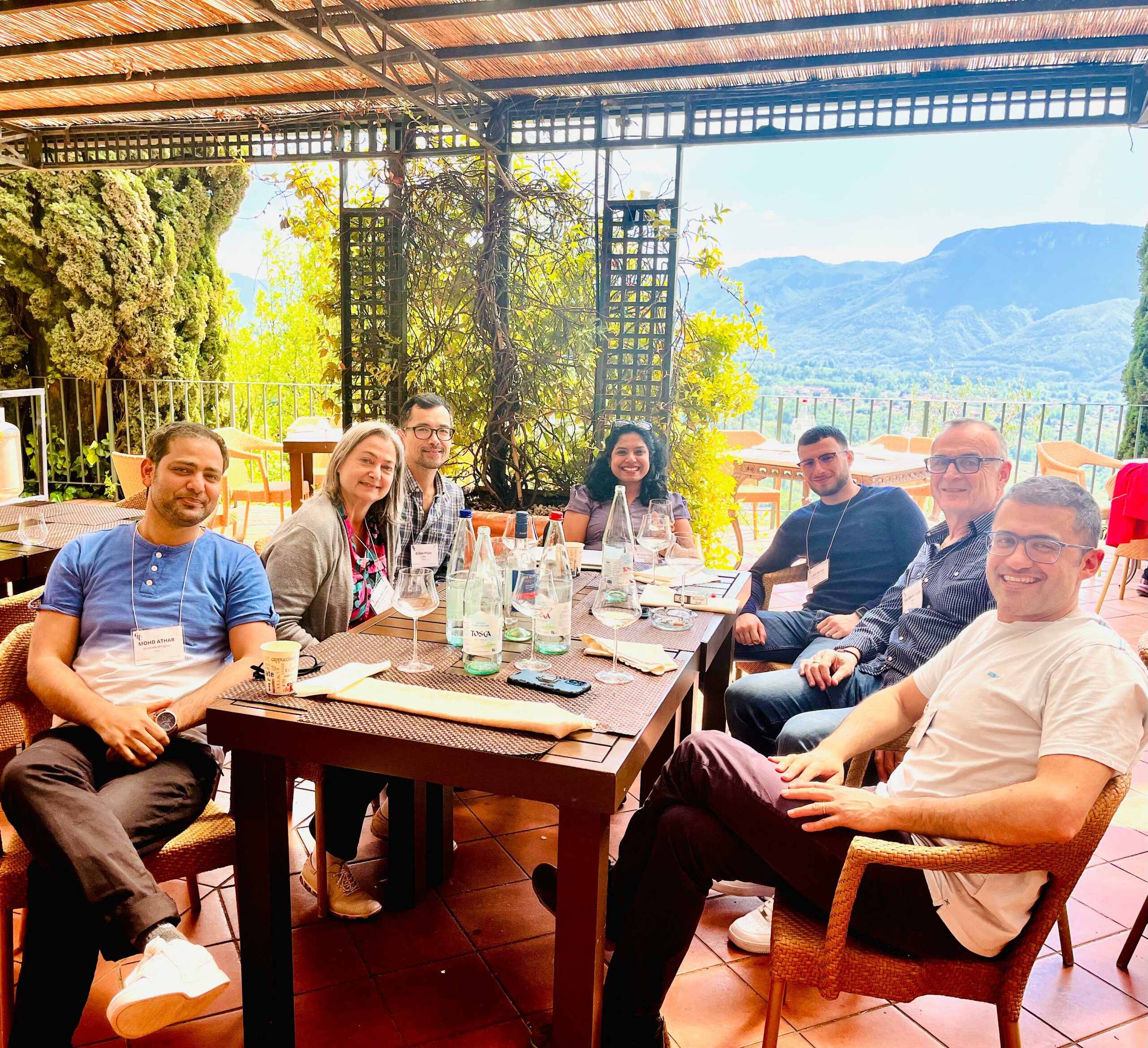
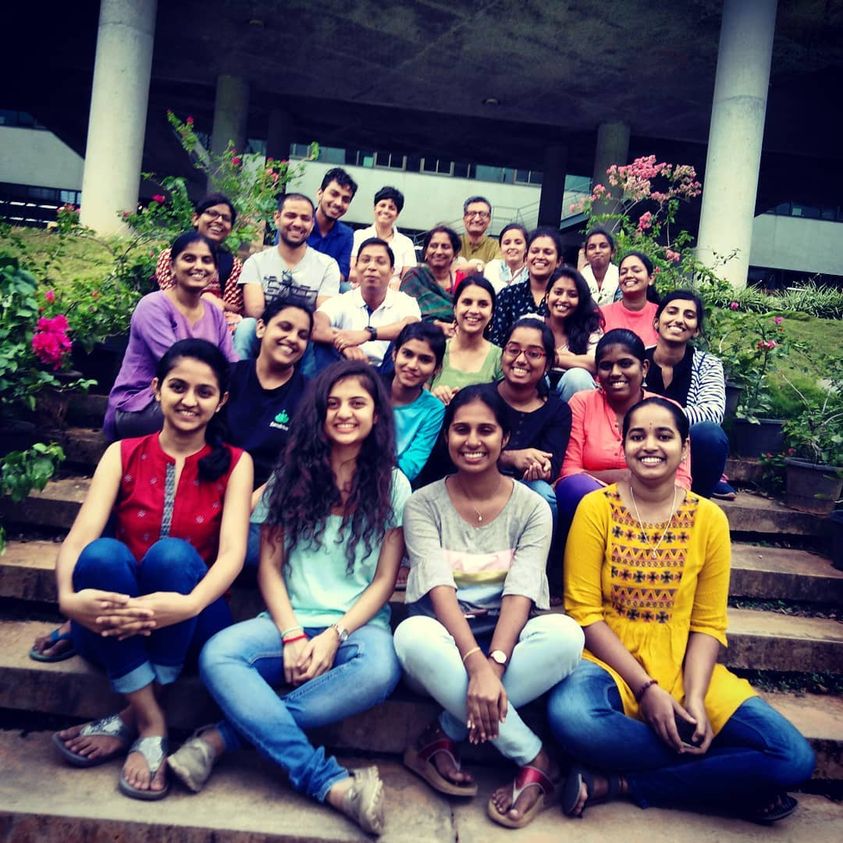
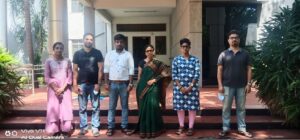
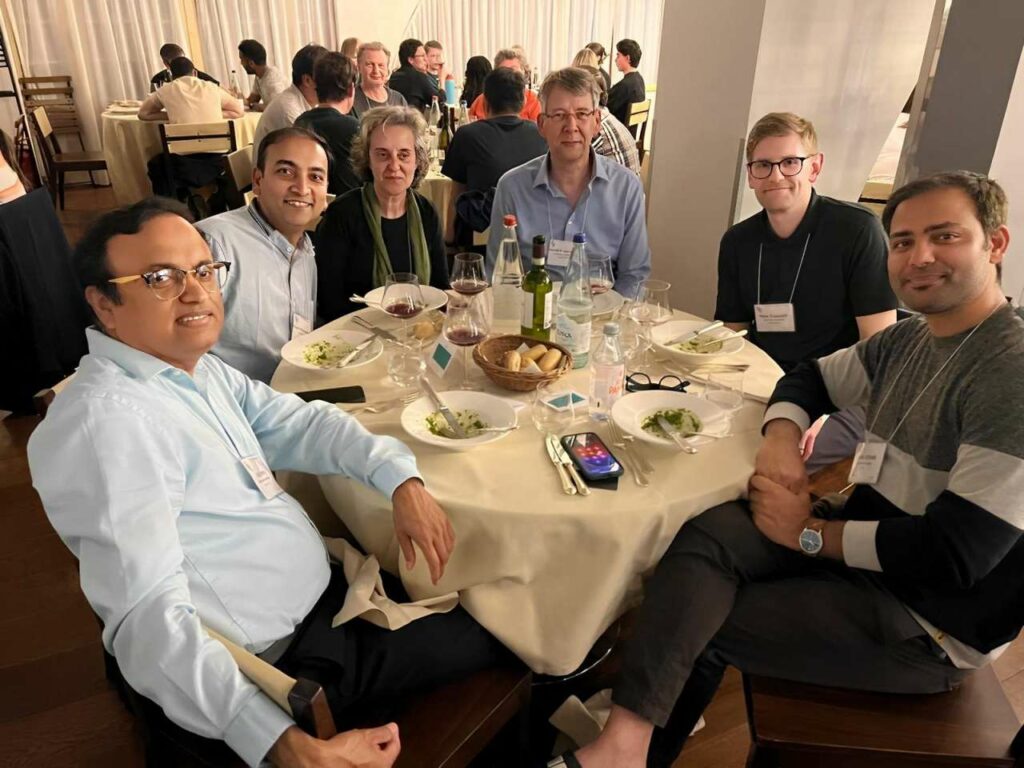
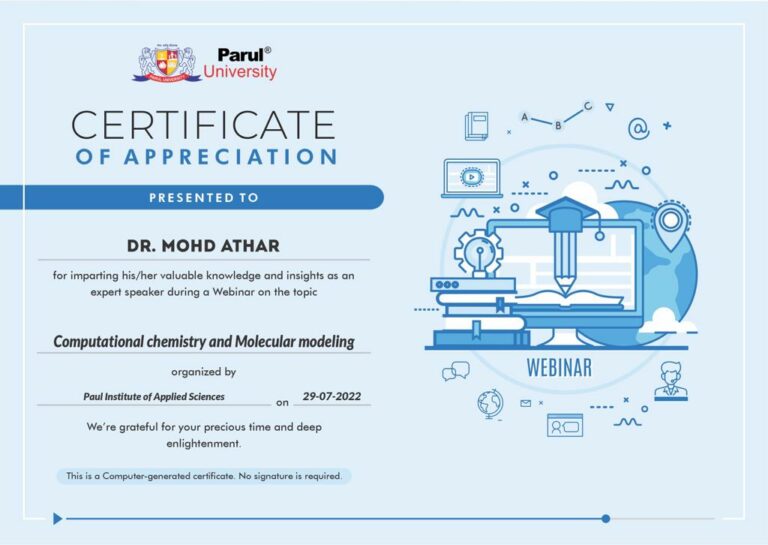
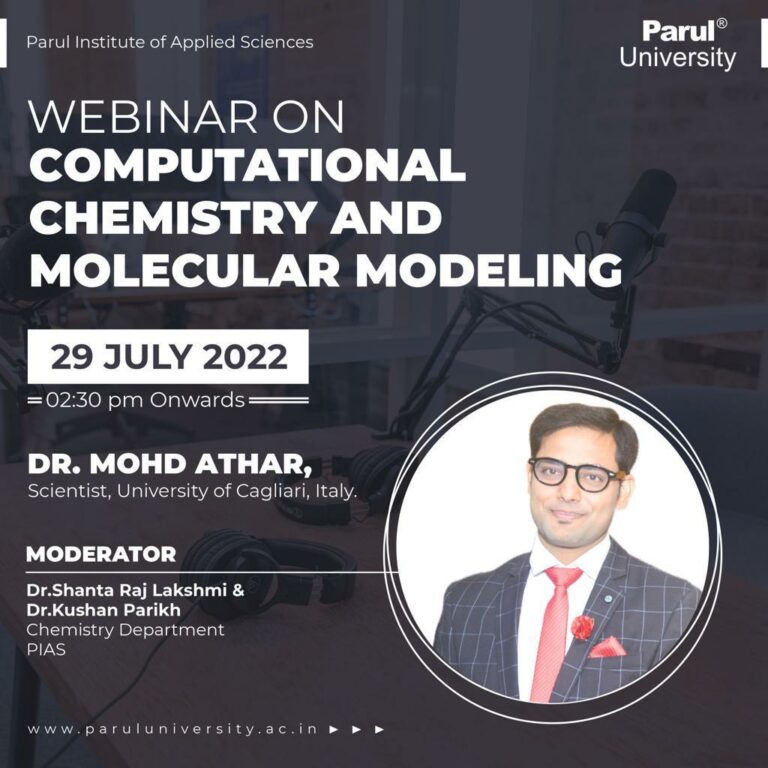
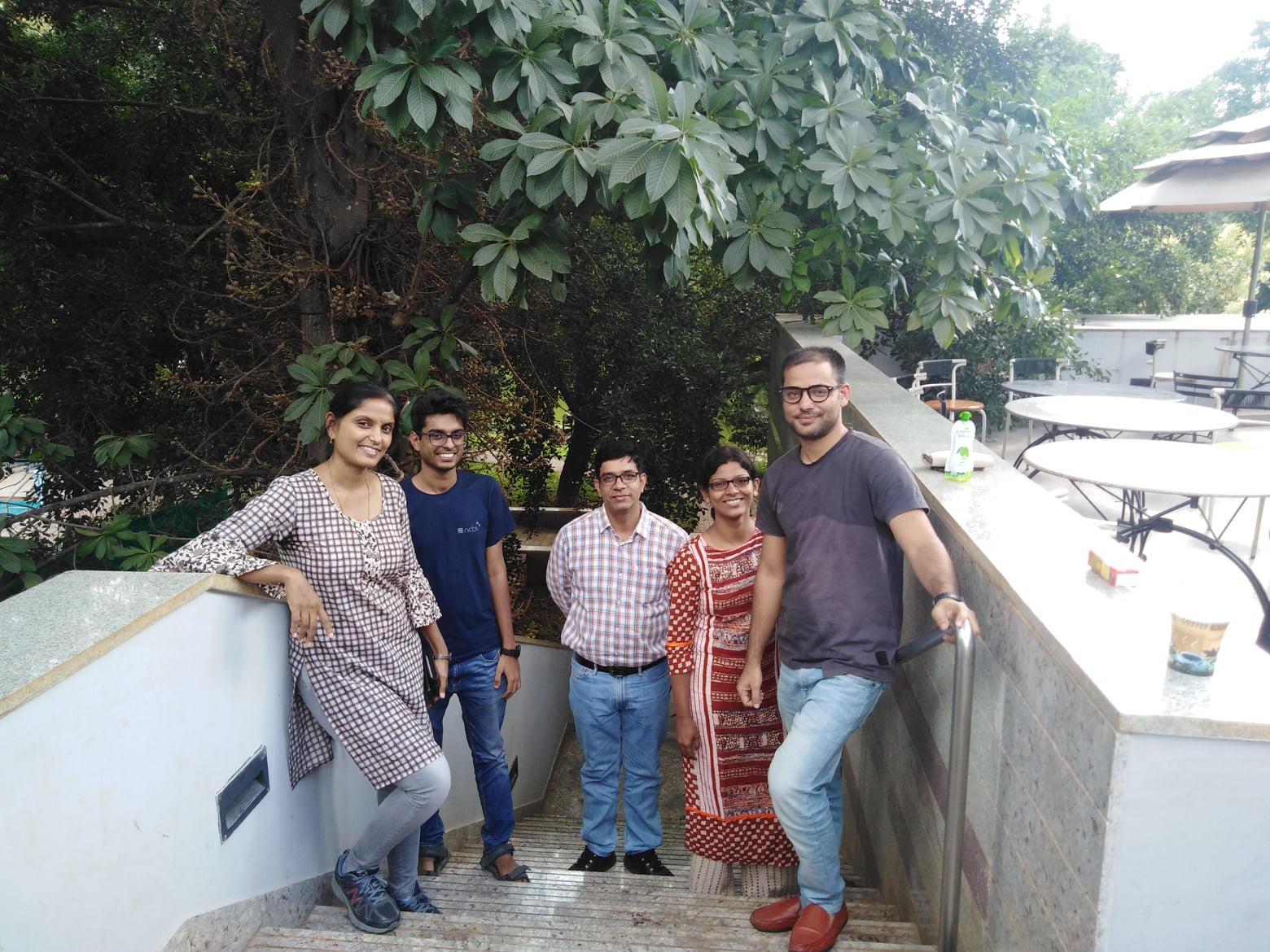
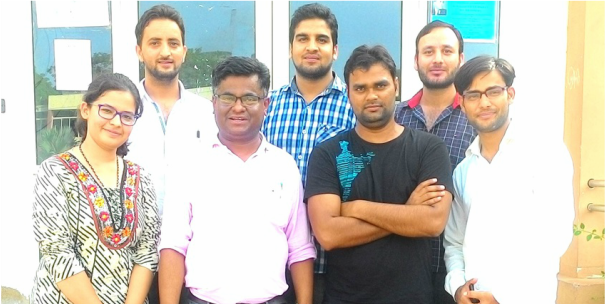
Selected moments from academic, research, conference and outreach activities.
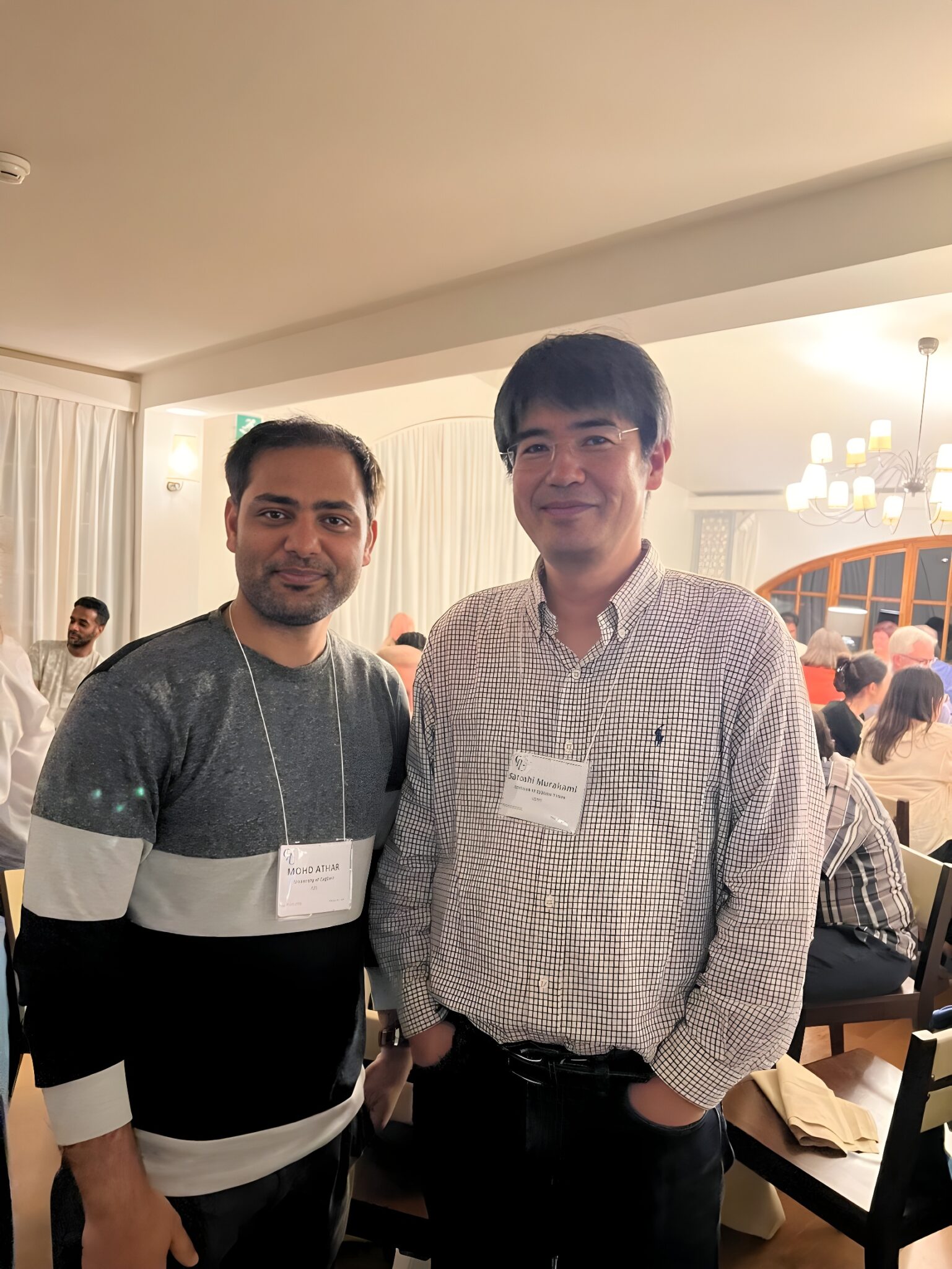
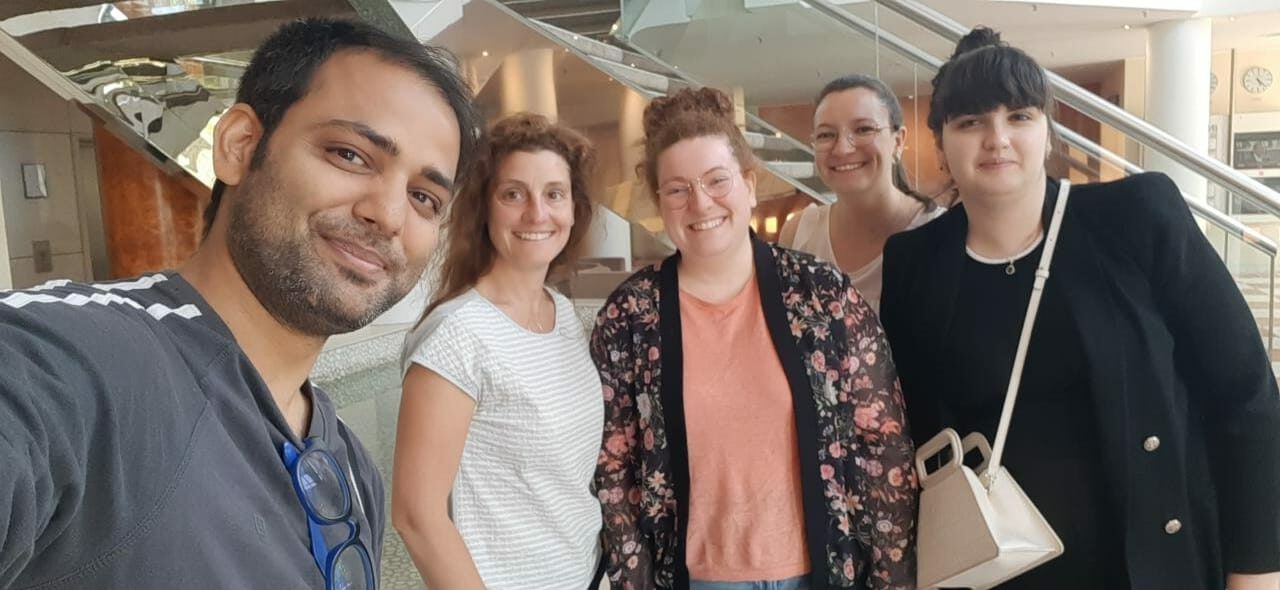
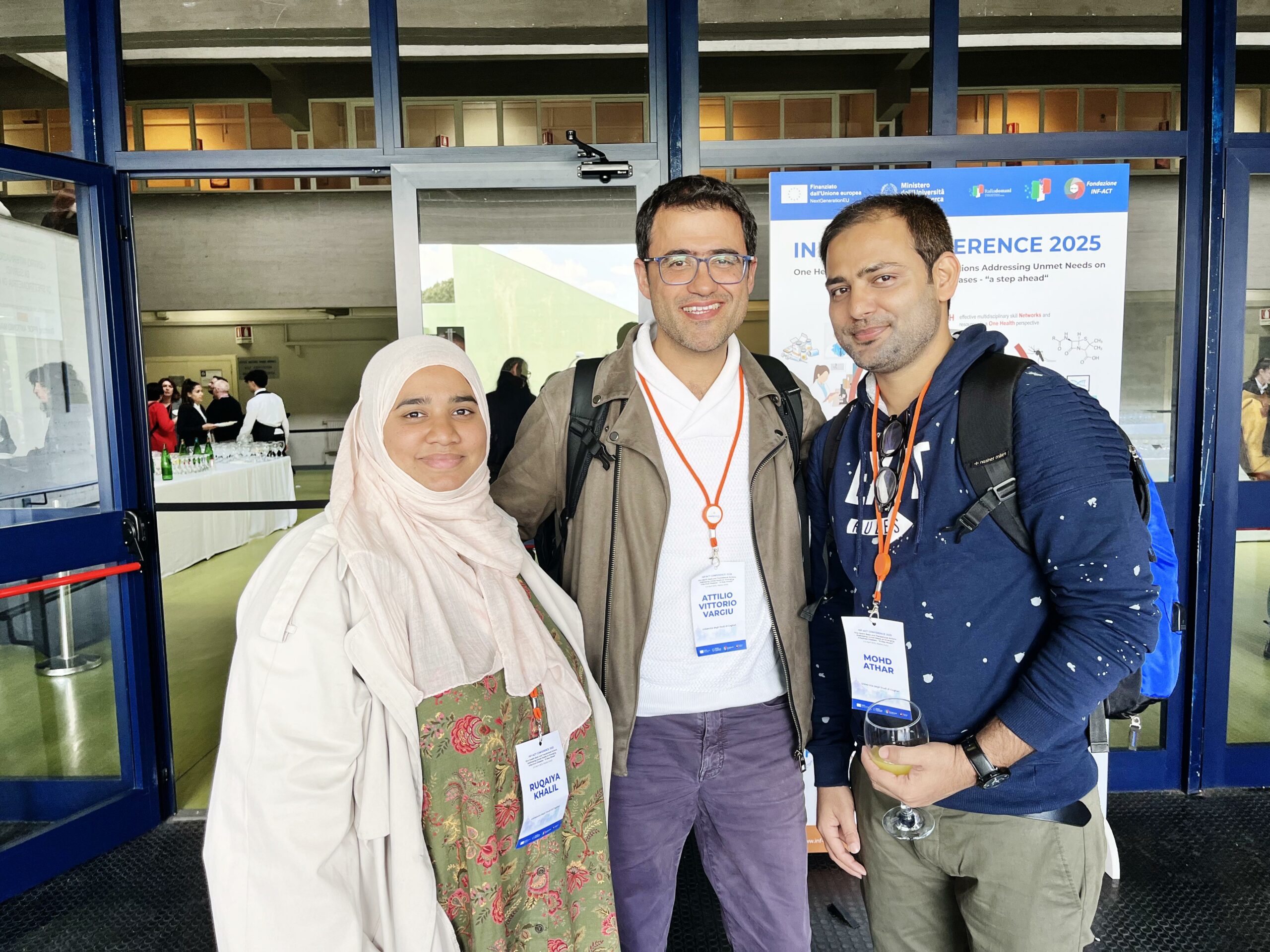
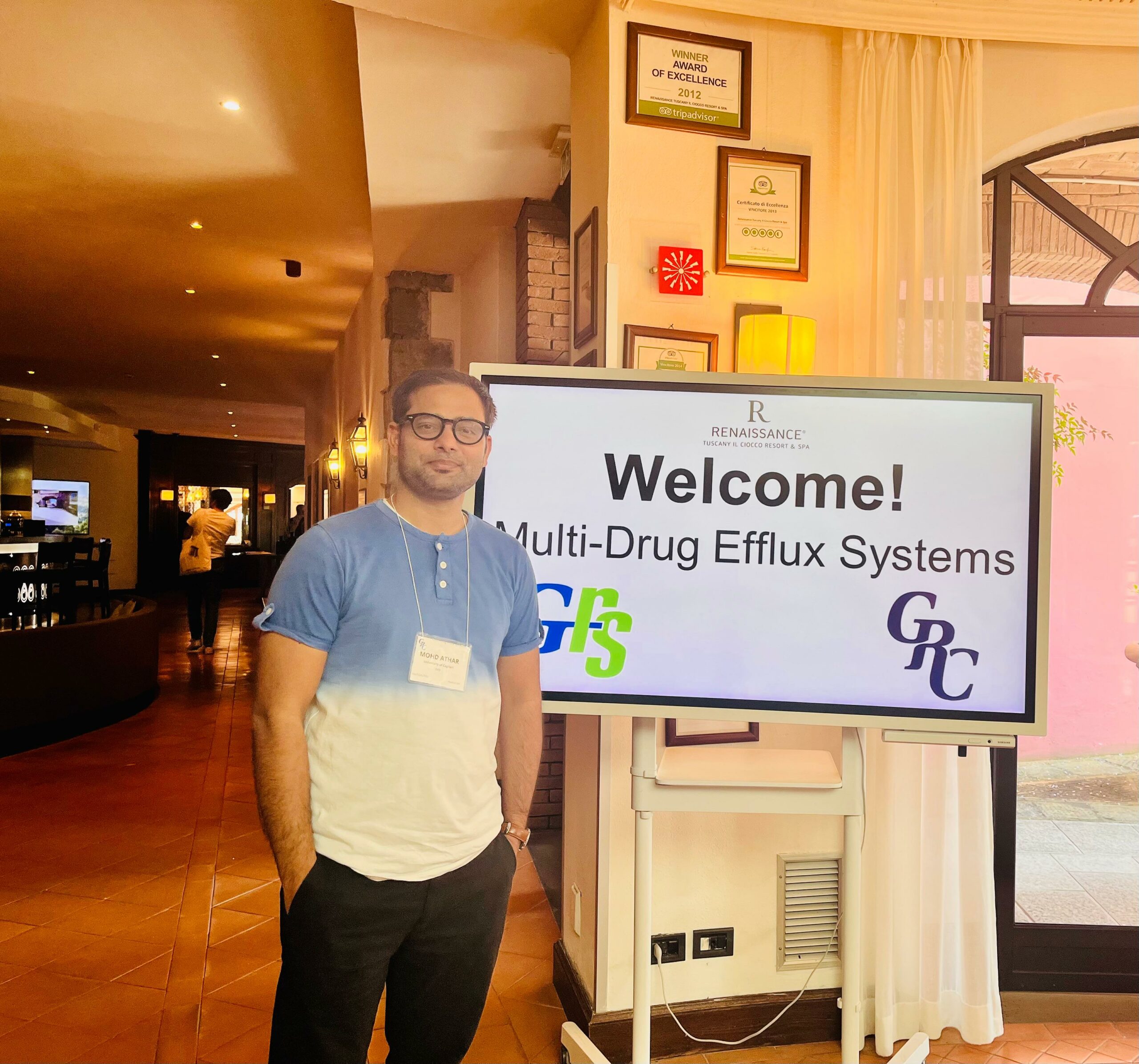
For collaborations, teaching, supervision and computational chemistry or biophysics inquiries.
Academic and professional profiles are linked below.